
Commercial security window film
Storefront glass is the largest, most exposed opening a business has. Film is one of the few retrofits that addresses it without changing the look of the building.
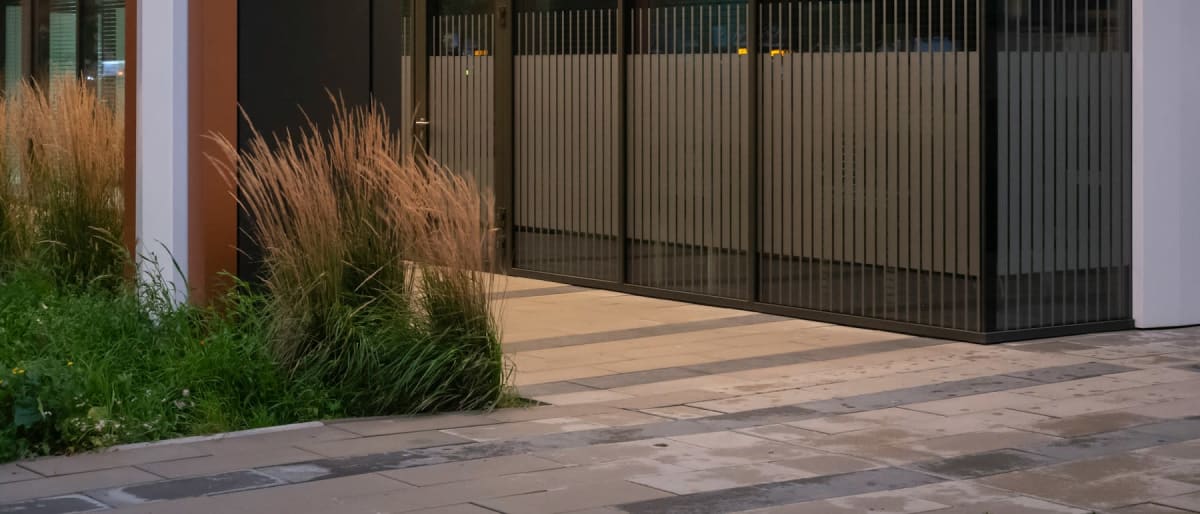
The storefront problem
Retail and office glass is large, at ground level, and designed for visibility rather than resistance. Smash-and-grab theft relies on breaking a pane and being gone before anyone responds; vandalism and storm damage produce the same hazard of falling glass and an open building overnight. Perimeter hardening elsewhere on the property, such as fencing and bollards, is on the perimeter page.
What film does for a business
- Delay. Properly anchored film keeps broken glass in the frame, turning a seconds-long entry into a noisy, minutes-long one that cameras and alarms can respond to; see alarms and monitoring.
- Safety. It reduces flying shards from accidents, weather or impact, which matters where the public and employees are near glass.
- Continuity. A pane that stays in place keeps the building closed until it is replaced.
- Other benefits. Many security films also reject solar heat and UV, which in hot climates affects comfort and energy use.
Specifying it
Commercial jobs usually call for thicker films (8–14 mil or multi-ply) with a frame attachment system, and sometimes a combination with laminated glass at the most exposed openings. Film manufacturers publish forced-entry and impact test data; ask for it. Installation on large panes is a skilled job, and local experience with climate matters: in the Phoenix area, for example, commercial security window film installers work with heat, UV and dust conditions that affect adhesive curing and film selection. Wherever you are, choose an installer who can show commercial references and name the standard the film was tested to.
Questions for a commercial quote
- Film thickness and construction (single or multi-ply)?
- Attachment system: structural silicone, battens, or none?
- Which forced-entry or impact standard was it tested to?
- Does it affect tinted-glass warranties or energy code compliance?
- Warranty length, and who services it?
Code, insurance and signage
Safety glazing requirements apply to glass in doors and near floors under building codes; film can be part of a compliance strategy but must be documented. Some insurers offer considerations for documented protective measures; ask yours. Film is invisible, so it works best alongside visible deterrents (lighting, cameras, signage) described in business security basics. Standards background is available from UL and the International Window Film Association.